Maru Attwood
16 July 2026
On the day that the 2026 Rhandza Xikolo Xa Wena Campaign started at Vulamasango Primary School in Kanyamazane, Mpumalanga, the school grounds were alive with activity. Students, who were let out of class for the day and allowed to wear casual clothes instead of uniforms, helped to pick up litter, clear overgrown bushes, and competed in a friendly netball tournament on a recently cleaned up court. Farmers with a local NGO, the Sokhula Foundation together with an official from the Department of Agriculture set up a new irrigation system for the school vegetable garden, while parents and teachers scrubbed a classroom block.
At schools in almost every municipality across Mpumalanga, similar activities took place.
“Sustainable improvement in schools requires active participation from parents, School Governing Bodies (SGBs), traditional leaders, faith-based organisations, businesses, alumni, municipalities, civil society organisations and communities at large,” says Jasper Zwane, head of communications at the Mpumalanga Department of Education.
The Rhandza Xikolo Xa Wena Campaign, (which means Love Your School in XiTsonga), was initiated in 2010 by the Mpumalanga Department of Education, in an effort to encourage shared community responsibility for caring for public school infrastructure. In the more than a decade and a half since then, the campaign has grown into a model for collaboration between communities and provincial and local governments.
Tangible benefits
Mpumalanga faces a backlog of billions of rands to build and renovate school infrastructure. The need is especially severe this year, after heavy floods earlier in the year caused damage to many school’s facilities. While the Rhandza Xikolo Xa Wena Campaign can't resolve the province’s infrastructure development needs, by maintaining amenities and making minor upgrades, it brings real benefits.
“Importantly, the campaign is practical and action-oriented. Communities are able to see tangible improvements such as renovated classrooms, repaired infrastructure, painted buildings, improved sanitation, cleaned school grounds, vegetable gardens and upgraded sporting facilities,” says Zwane. That school communities see these “visible outcomes,” helps create a sense of community ownership and accountability towards public education.
“Partnership-driven service delivery”
The provincial Department of Education facilitates the Rhandza Xikolo Xa Wena Campaign every year, in collaboration with local municipalities and other provincial departments, including Correctional Services and Agriculture, Rural Development Land and Environmental Affairs.
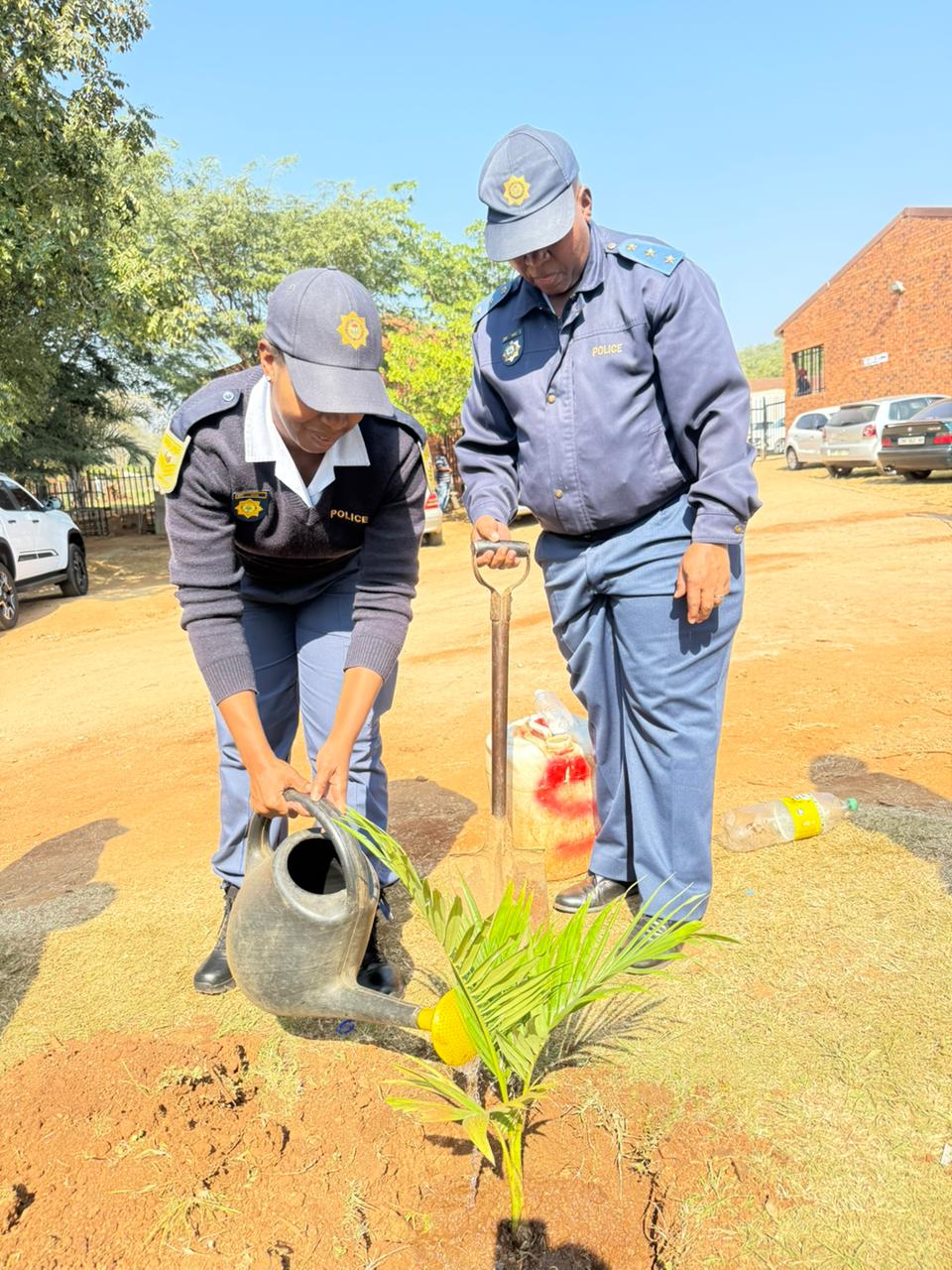
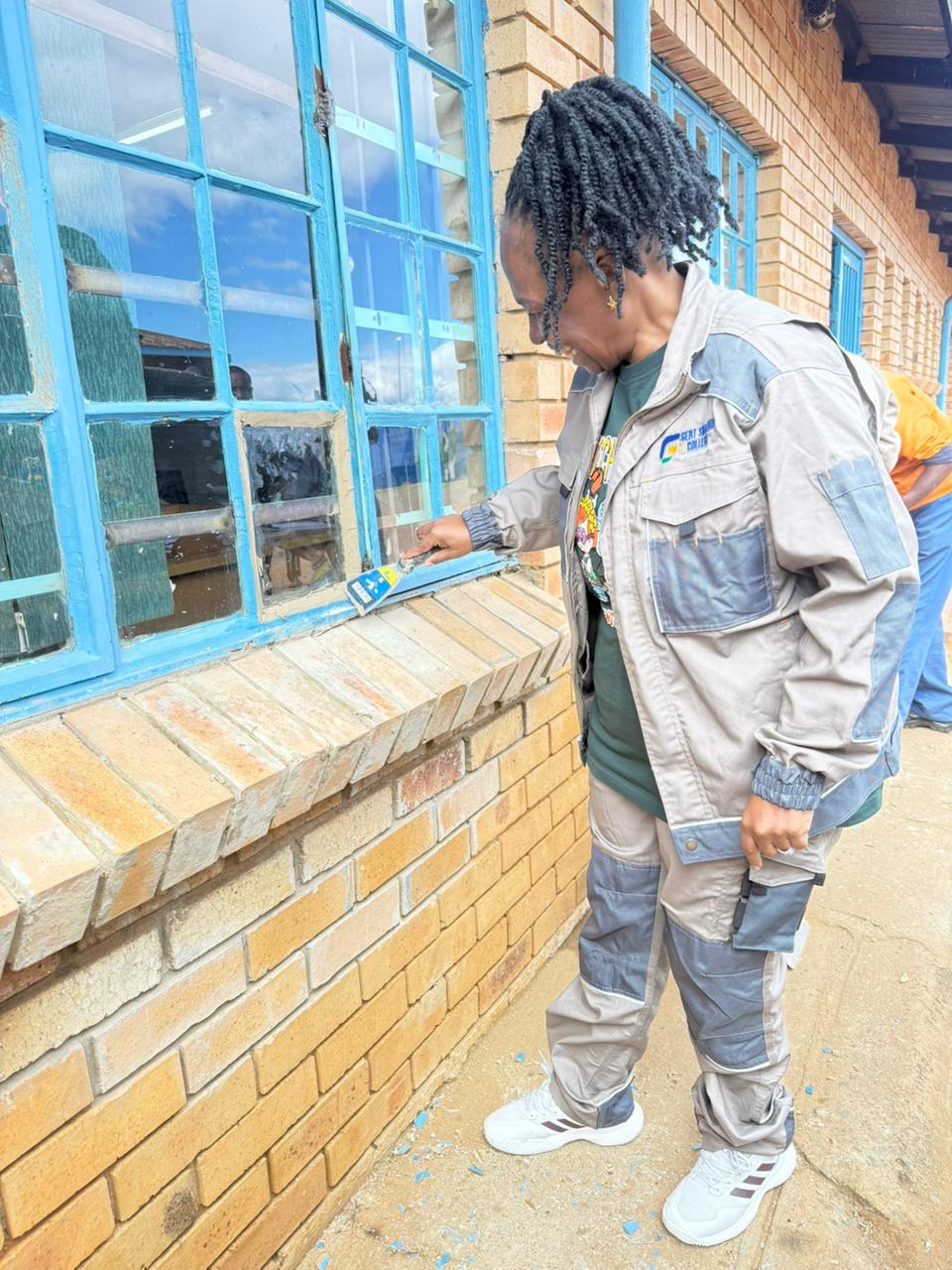
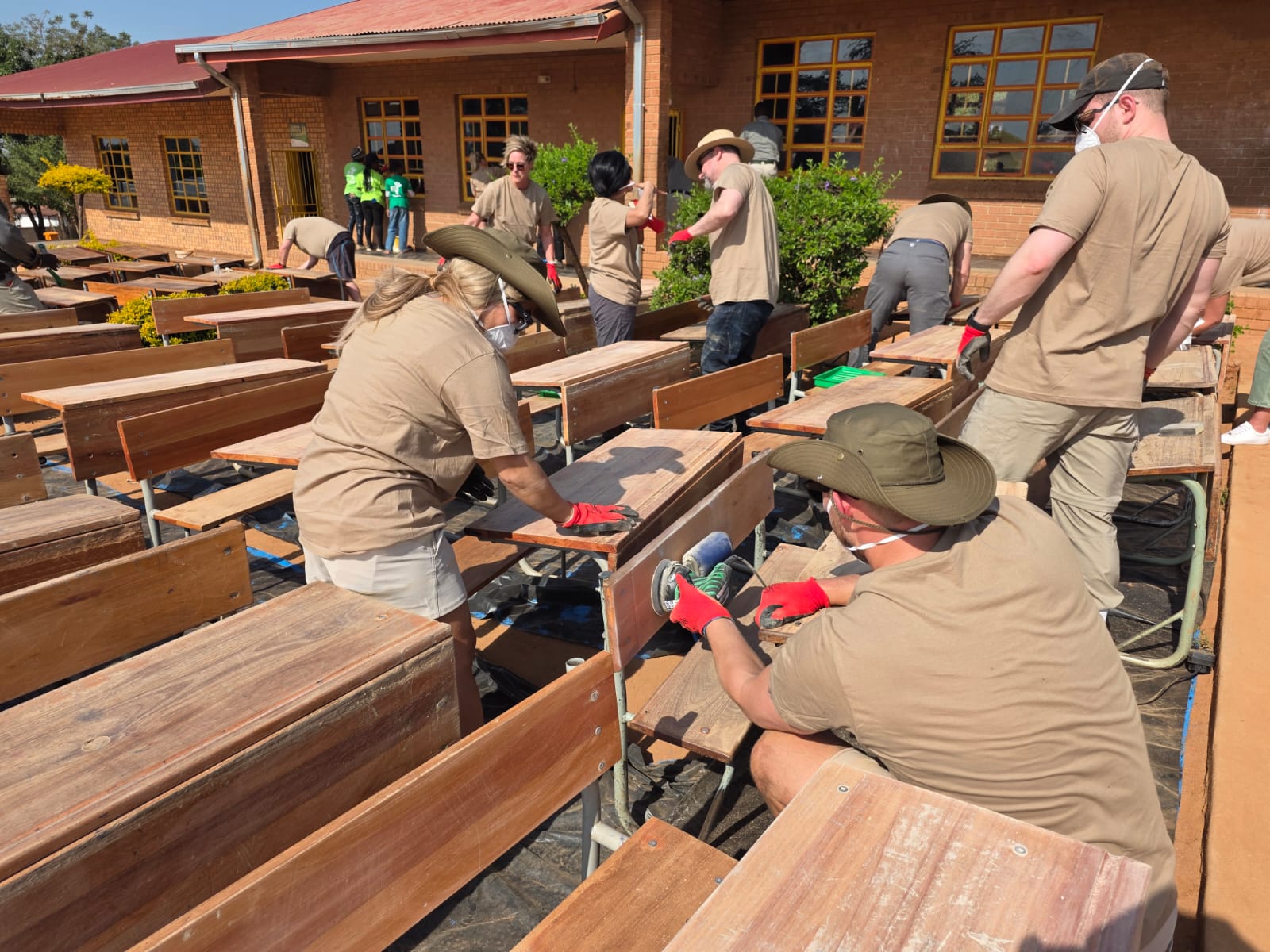
School leadership identifies areas of their school grounds and infrastructure that need maintenance and care, while the provincial government works to build partnerships with civil society and businesses. Volunteers are connected with schools, where they offer resources, time and skills to improve the school environment and lead projects in the key areas flagged by teachers, students and principals. They repair desks, replace broken windows, organise storerooms, fix cracks in floors and pavements, lead recycling projects, plant trees and vegetables, deep clean classrooms and paint peeling walls.
To encourage participation in the campaign, this year the provincial Department of Education launched a prize of more than R200,000 to be awarded to a school that excels in making improvements and keeping their school clean and well maintained.
The success of the Rhandza Xikolo Xa Wena Campaign is based on the sense of pride and collaboration it develops. Teachers are motivated, communities are recognised and schools are left with improvements that have a positive impact on students ability to focus on learning.
“The campaign illustrates that investing in schools is an investment in communities, local economic development and the future workforce. It provides a practical model of partnership-driven service delivery that can be adapted by other provinces and sectors to strengthen community ownership of public institutions,” says Zwane.
Photos: Mpumalanga Department of Education
 Mbombela


 Warning: text comes here