By Maru Attwood
26 February
“If you really want to do something, start. It doesn’t matter how small; just start. Let it be on your own streets, begin with your neighbours…you never know how it might grow from there,” says Austin Kinsey, founder of Heal Wentworth.
The neighbourhood of Wentworth, in the south of Durban, faces a range of challenges: unreliable service delivery, poorly maintained streets and parks, illegal dumping, and high levels of crime and violence linked to gangs in the area. The community also lives in the shadow of some of South Africa’s largest oil refineries, and residents have long raised concerns about pollution and its health impacts.
In the face of this, a small but determined movement started by Kinsey, a young Wentworth resident, is making pavements walkable, parks clean and bringing nature closer to people.
Starting with one pavement
Kinsey explains he wasn’t initially one to take notice of his neighbourhood's problems, but his journey to becoming an active citizen started when he began jogging in 2023. On his runs around Wentworth, he says, "I first noticed the state that our area was in at the time. Dumping spots and overgrown pavements, not much space for pedestrians in certain areas. That's when I really became passionate about fixing up the community."
In that same month, Kinsey took to the street closest to his home and cleared a very overgrown patch on the pavement so he could run more easily along it. The next time, he bought a few friends along, and a few months later, they started to post their progress online. Within a year, they had grown a local movement named Heal Wentworth.
Through regular community clean-ups of illegal dumping spots, planting gardens full of indigenous plants, opening up stormwater drains and adopting Maria Crescent Park, Heal Wentworth has transformed neglected areas into vibrant community spaces that residents have started to take pride in.
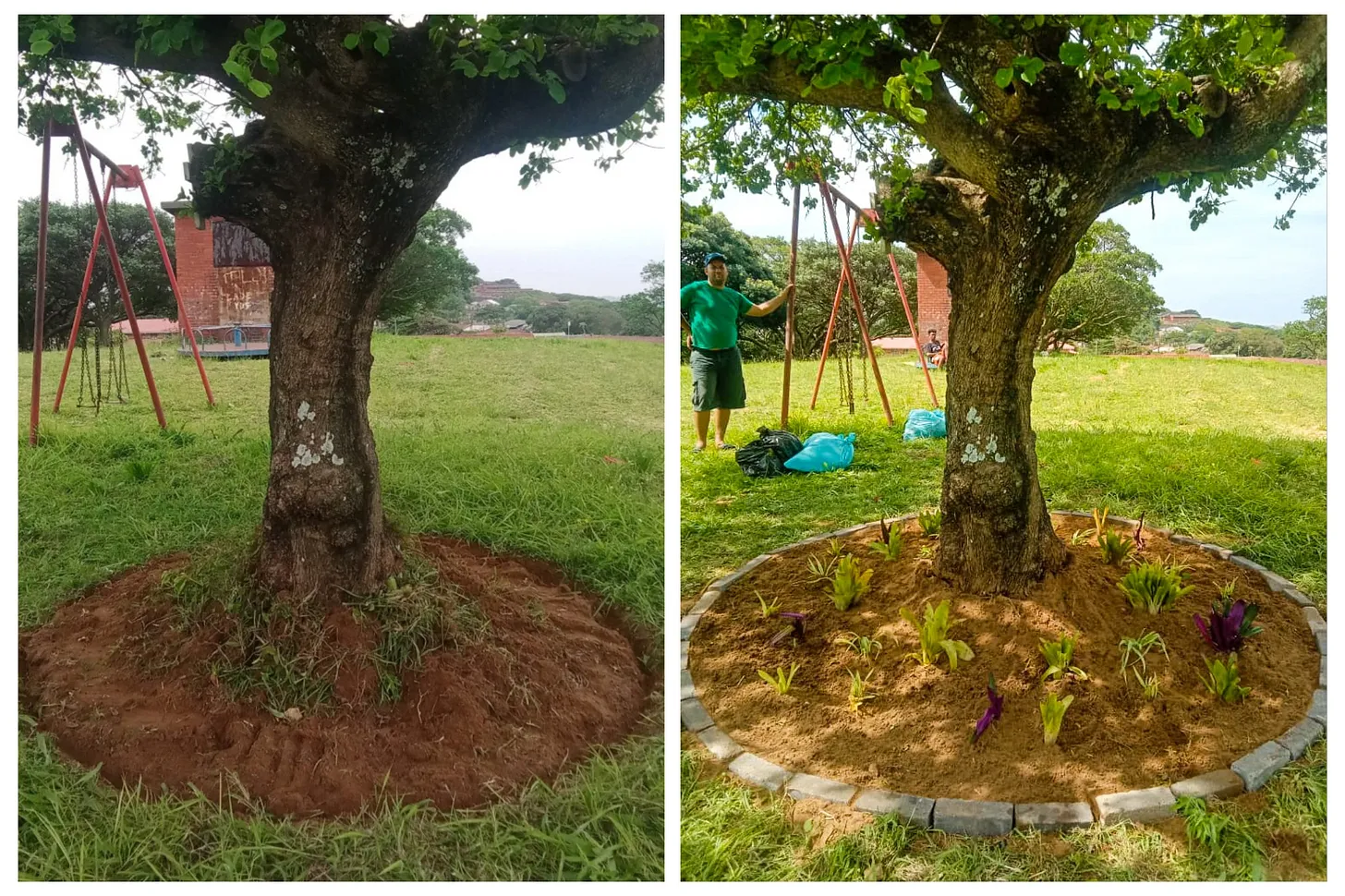
A garden in Maria Crescent Park maintained by Heal Wentworth (Photo: Heal Wentworth)
Building momentum
The group operates with limited resources, and sustaining consistent community involvement can be difficult. Yet Kinsey has found that visible action often draws others in.
"Once you really get into an area and start doing the work, I think it is quite possible to inspire people, just like we've done in the area around that park.” He has seen that many people want to get more active, but can be reluctant to get out there and do it on their own. "When others are already doing it, it's an easier avenue for them to join, especially if it's happening right within their street or their block."
Using WhatsApp and other digital tools has been essential to growing the involvement of Wentworth residents, says Kinsey. Through these platforms, community members can quickly share updates about upcoming clean-ups, post before-and-after photos of transformed spaces, and coordinate their efforts.
Healing both place and people
Heal Wentworth’s progress towards restoring parks and streets has become much bigger than just looks: Kinsey believes that bringing nature closer to residents through planting indigenous plants and trees, making streets more walkable and parks safer, their efforts have a positive impact on the community’s health and well-being and have positive spin-offs on issues like violence.
“We can rehabilitate the environment by bringing nature to people; we can shift the mindset,” he says. “The environment is very important to people’s mental health.”
Heal Wentworth is evidence of the remarkable changes that come from one person deciding to start making a small difference in their community. Kinsey says many residents had started to feel as though Wentworth no longer belonged to them. Getting involved in clean-ups and planting, he says, helps people reclaim that sense of ownership. “It helps them to see it as their own again.”
Header Image: Heal Wentworth

 Cape Town

 Warning: text comes here